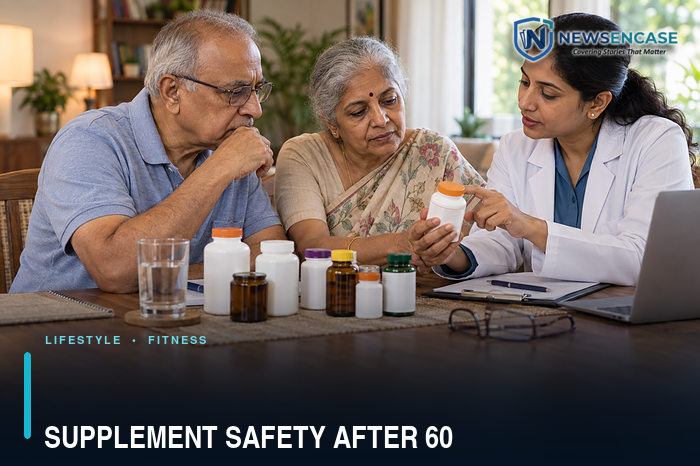
Vitamins and supplements are not automatically harmless. Older adults should understand possible interactions, excess doses and when testing is needed.
Vitamin, mineral and herbal supplements are often marketed as simple protection against ageing. Emerging research is challenging the assumption that taking more is always beneficial, especially when a person is not deficient.
Scientists have been examining whether supplements such as vitamin D, omega-3 fatty acids and glucosamine affect the ageing brain differently. Some observational studies have reported unexpected associations with cognitive outcomes in particular groups. These findings are preliminary and do not prove that the supplements caused harm.
Observational research can be affected by “confounding.” For example, people may start taking supplements because they already have symptoms, poor health or dietary deficiencies. Their later decline could be related to the original condition rather than the product.
Even so, the research highlights an important principle: supplements are biologically active. High doses can cause side effects, interact with medicines or build up in the body. Fat-soluble vitamins A, D, E and K require particular care because they are stored rather than rapidly excreted.
Older adults frequently use several prescriptions. Vitamin K can interfere with some blood thinners, calcium may affect the absorption of thyroid medicine, and certain herbal products may alter bleeding risk or blood pressure. “Natural” does not mean interaction-free.
Supplements can be valuable when a deficiency is confirmed or likely. Vitamin B12 may be necessary for some vegans and people with absorption problems. Vitamin D or calcium may be advised for bone health in selected patients. The appropriate product and dose should reflect diet, blood tests, medicines and medical history.
Consumers should avoid products promising to reverse ageing or prevent dementia. Independent quality testing is helpful because supplements may vary in purity and actual ingredient levels.
The safest first step is to review every tablet and powder with a doctor or pharmacist, including over-the-counter products. A varied diet, regular activity, good sleep and control of blood pressure and diabetes have broader evidence for healthy ageing.
Supplements should fill a genuine gap—not become an automatic substitute for food, movement or medical care.
About the Author