Follow Navratri fasting without fatigue using balanced vrat meals, safer cooking methods, hydration tips and essential medical precautions.
Sharad Navratri begins on October 11 in 2026, and many people will modify their diets or observe a religious fast for nine days. Fasting can be meaningful, but a menu dominated by fried snacks, sweets and long gaps without fluid may leave people tired, constipated or dizzy.
The healthiest approach depends on the tradition being followed. Some people eat one meal, others avoid grains and pulses, while some take only fruit or liquids. There is no single plan suitable for everyone.
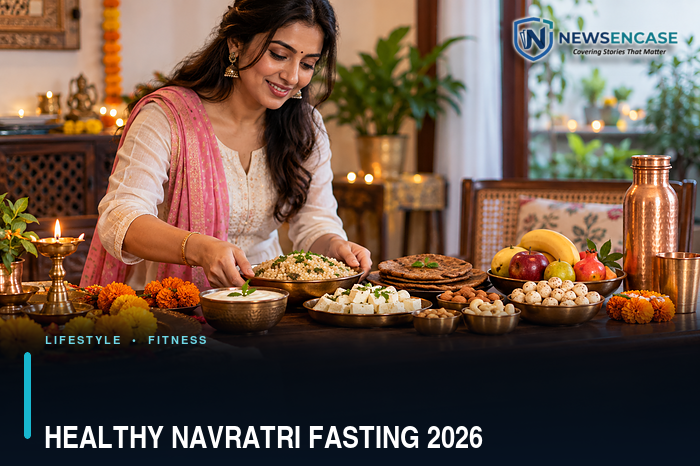
People eating vrat foods can build balanced meals from permitted ingredients. Samak rice, kuttu, rajgira and singhara can provide carbohydrates. Milk, curd, paneer, nuts and seeds contribute protein and fat. Vegetables, fruit and boiled or roasted potatoes supply energy, fibre and micronutrients.
Cooking method matters. Sabudana khichdi, kuttu puri and fried potato dishes can become calorie-dense when prepared with large amounts of oil. Roasting, grilling, steaming or using a smaller quantity of oil can make meals lighter without changing their religious character.
Hydration is especially important for people attending Garba or travelling between celebrations. Water, unsweetened lemon water, buttermilk or coconut water may help, depending on the fasting rules. Excessive tea and coffee can worsen acidity or disturb sleep.
Breaking a long fast with a very large meal can cause discomfort. A smaller portion eaten slowly is easier to tolerate. Combining carbohydrate with curd, paneer or nuts may also provide steadier energy than eating sweets alone.
Children, pregnant or breastfeeding women, older adults and people with diabetes, kidney disease, eating disorders or medicines that must be taken with food should seek medical advice before fasting. Diabetes medicines may need careful adjustment; they should never be changed without a clinician.
Religious fasting is not intended to be a crash-weight-loss programme. Any short-term change on the scale may largely reflect water and glycogen.
With preparation, simple cooking and enough fluids, devotees can observe Navratri while protecting energy, digestion and overall health.
About the Author