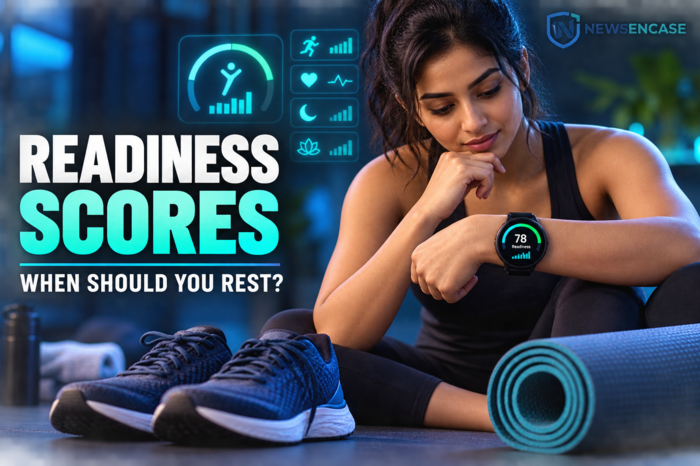
Smartwatch readiness scores combine sleep, heart-rate and workout data, but users should treat them as planning tools rather than diagnoses.
Readiness scores are moving from specialist fitness devices into mainstream smartwatches. Apple’s latest system combines signals such as sleep, recent training and heart-rate variability to place users on a scale that suggests recovery, caution or readiness for harder activity.
The attraction is obvious: instead of interpreting several charts, users receive one simple number. But a polished score is still an estimate rather than a medical diagnosis.
What the Number Can—and Cannot—Show
Wearables look for changes relative to a person’s usual measurements. A lower score may follow poor sleep, a demanding workout, illness, alcohol consumption or psychological stress. Trends over several days are generally more useful than reacting to a single reading.
Consumer devices do not measure recovery directly. Algorithms differ by company, and wrist sensors can be affected by fit, movement, skin contact and individual physiology. Two brands may interpret the same day differently.
The score can start a useful conversation with the body. If the device recommends recovery and the user also feels unusually tired, replacing an intense session with walking or mobility work may be sensible. Conversely, a high score does not make it safe to ignore pain, fever or dizziness.
Avoid Becoming Controlled by Data
Some users become anxious when a sleep or recovery score is lower than expected. That anxiety can itself undermine rest. People should keep subjective information—mood, soreness, motivation and performance—alongside wearable data.
A simple approach is to examine the weekly pattern. Repeatedly falling readiness, worsening performance and persistent fatigue may indicate insufficient recovery or excessive training. Ongoing symptoms warrant professional assessment rather than more app analysis.
Readiness technology is most useful as a planning aid. It can encourage rest and reveal patterns, but it cannot replace clinical evaluation, a well-designed programme or basic self-awareness.
About the Author