
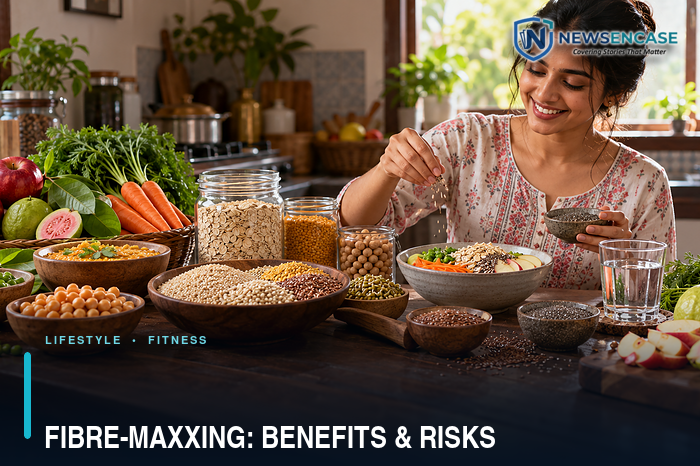
Fibre-maxxing is trending online. Learn how fibre supports digestion and heart health, plus how to increase it without bloating or constipation.
After years of online attention on protein, “fibre-maxxing” has emerged as a new wellness trend. It encourages people to increase fibre through beans, vegetables, fruit, whole grains, seeds and supplements. The basic goal is sensible, but suddenly doubling intake can cause uncomfortable side effects.
Dietary fibre supports regular bowel movements and feeds beneficial gut microbes. Soluble fibre can help manage cholesterol and slow the absorption of carbohydrates, while insoluble fibre adds bulk to stool. Fibre-rich foods also tend to be filling and supply vitamins, minerals and plant compounds.
The problem with a “maximum” mindset is that the digestive system needs time to adapt. A rapid increase may lead to bloating, gas, cramps or constipation, particularly when water intake remains low. People with irritable bowel syndrome, inflammatory bowel disease or a recent gastrointestinal procedure may need an individual plan.
A safer approach is to increase fibre gradually over several weeks. Add one serving at a time: a piece of fruit with breakfast, a bowl of dal at lunch, an extra vegetable at dinner or a small portion of soaked chickpeas as a snack. Drinking water regularly helps fibre move through the digestive tract.
Variety matters because different fibres support different microbes. Useful Indian options include oats, barley, millets, whole-wheat roti, brown rice, guava, pear, apple, carrots, peas, bhindi, beans, lentils, flaxseed and chia.
Supplements such as psyllium can be helpful for some people, but they should not replace a varied diet. They can also interfere with the absorption of certain medicines if taken at the same time. Users should follow product instructions and ask a pharmacist or clinician when necessary.
More fibre is not a cure for every digestive problem. Blood in the stool, persistent pain, unexplained weight loss or a lasting change in bowel habits requires medical evaluation.
The strongest version of fibre-maxxing is not a daily competition. It is a gradual shift towards diverse plant foods, adequate hydration and an intake the individual digestive system can comfortably tolerate.
About the Author