
Shangri-La Dialogue Focuses on China’s Military Rise, Taiwan, Ukraine War and Middle East Crisis
SINGAPORE — Asia’s top security summit, the Shangri-La Dialogue, opened Friday in Singapore with growing concerns over China’s military expansion, regional security tensions, and uncertainty surrounding the United States’ strategic priorities in the Indo-Pacific dominating discussions among global defense leaders and diplomats.
The annual summit, hosted by the International Institute for Strategic Studies (IISS), brings together military chiefs, policymakers, and security experts from around the world at a time of increasing geopolitical instability. Ongoing conflicts in Ukraine and the Middle East have further intensified concerns over global security and economic stability.
Vietnam’s To Lam Opens Summit Amid Delicate US-China Balance
Vietnamese leader To Lam delivered the keynote address to open the conference, highlighting the importance of regional cooperation, stability, and dialogue in managing growing geopolitical tensions.
Vietnam continues to walk a diplomatic tightrope between China and the United States. While Hanoi has longstanding maritime disputes with Beijing in the South China Sea, China remains Vietnam’s largest trading partner. At the same time, the United States is Vietnam’s biggest export market and has expanded defense and diplomatic ties with the Southeast Asian nation.
Recently leaked documents reportedly revealed that despite improving ties with Washington, Vietnam’s military leadership remains cautious about long-term American intentions in the region.
To Lam is also expected to hold bilateral discussions with US Defense Secretary Pete Hegseth on the sidelines of the summit.
US Defense Secretary Pete Hegseth to Outline Indo-Pacific Strategy
US Defense Secretary Pete Hegseth will address the summit on Saturday, focusing on the Trump administration’s Indo-Pacific defense strategy and Washington’s regional security commitments.
Hegseth had previously warned that China’s military activities around Taiwan posed a serious and potentially imminent threat. The Pentagon continues to view Beijing’s rapid military modernization and aggressive regional posture as a major challenge to regional stability.
However, uncertainty has grown following recent meetings between US President Donald Trump and Chinese President Xi Jinping in Beijing. Trump described Xi as a “great leader” and suggested future cooperation between the two nations, while also calling a proposed $14 billion arms package for Taiwan a “negotiating chip” in discussions with China.
The comments have sparked renewed questions among allies about America’s commitment to defending Taiwan against possible Chinese military action.
China Sends Lower-Level Delegation to Shangri-La Dialogue
China is scheduled to present its perspective during Sunday’s sessions, although Beijing has reportedly sent a lower-ranking delegation instead of top defense officials.
Chinese Defense Minister Dong Jun also skipped the event last year, reflecting ongoing tensions between China and Western nations over security issues in the Indo-Pacific region.
China claims Taiwan as its territory and has repeatedly warned against foreign interference, while increasing military pressure around the democratic self-governed island.
Ukraine War and Iran Crisis Add to Global Security Concerns
Although the Shangri-La Dialogue primarily focuses on Asian security, ongoing global conflicts remain unavoidable discussion points.
Russia has intensified missile and drone attacks on Ukraine in recent weeks, prompting Ukrainian President Volodymyr Zelenskyy to urge the United States and Congress for additional air defense support.
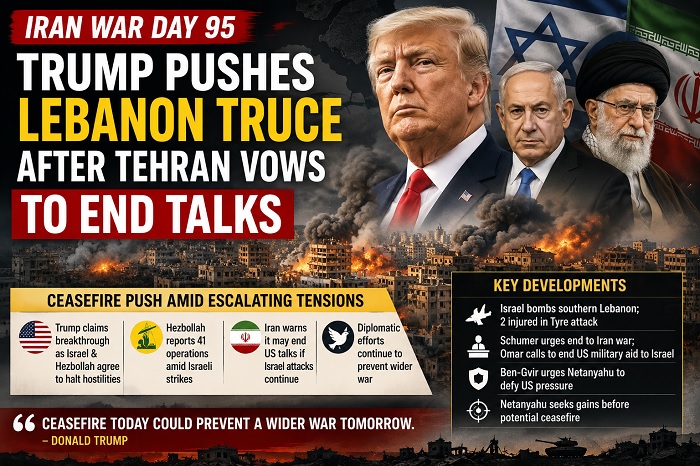
Meanwhile, escalating tensions involving Iran and disruptions around the Strait of Hormuz have raised fears of broader economic instability. The strategic waterway handles nearly one-fifth of the world’s oil supply during normal conditions, and recent disruptions have caused global oil prices to surge.
Defense officials from Europe and the Middle East, including representatives from Poland, Lithuania, and Qatar, are also participating in the summit discussions.
Growing Focus on Indo-Pacific Security
The 2026 Shangri-La Dialogue underscores increasing concerns about military competition, Taiwan tensions, maritime disputes, and the possibility of broader regional conflict involving major global powers.
Analysts say the summit will be closely watched for signals on how the United States, China, and regional allies intend to navigate rising strategic competition in the Indo-Pacific.
About the Author