
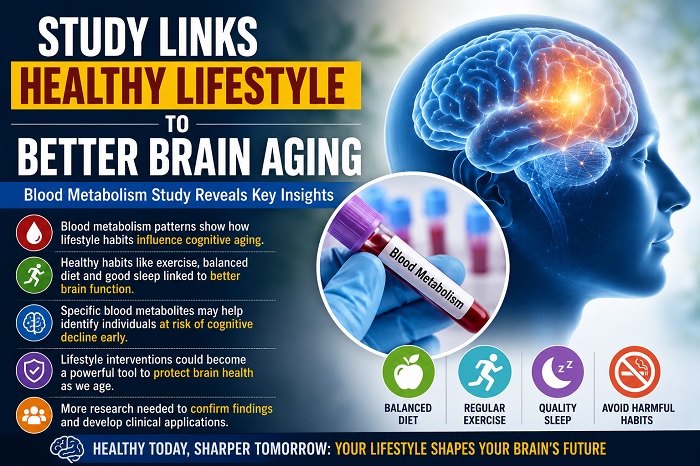
New Delhi: A new scientific study has found that healthy lifestyle habits may help preserve brain function as people age, with researchers identifying specific blood metabolism patterns that reflect how daily behaviors influence cognitive health.
The findings suggest that blood-based metabolic markers could provide valuable insights into the biological processes linking lifestyle choices with cognitive aging, potentially helping scientists better understand age-related decline in brain function.
Blood Metabolism Reveals Brain Health Clues
Researchers analyzed blood metabolites—small molecules produced during the body’s metabolic processes—to examine how they relate to cognitive performance and lifestyle factors such as diet, physical activity, sleep, and overall health habits.
The study found that people with healthier lifestyles tended to exhibit metabolic profiles associated with better cognitive function, indicating that positive daily habits may leave measurable biological signatures in the bloodstream.
Lifestyle Choices Matter
According to the researchers, factors including a balanced diet, regular exercise, adequate sleep, and avoiding harmful habits like smoking may contribute to healthier metabolic pathways that support long-term brain health.
The findings reinforce growing evidence that lifestyle interventions can play an important role in reducing the risk of age-related cognitive decline.
Potential for Early Detection
Scientists believe blood metabolite profiling could eventually become a useful tool for identifying individuals at greater risk of cognitive impairment before symptoms become apparent.
Such biomarkers may also help monitor the effectiveness of lifestyle interventions aimed at preserving memory, learning, and overall cognitive performance.
More Research Needed
While the results are encouraging, researchers caution that additional long-term studies involving more diverse populations are needed to confirm the findings and determine whether changes in lifestyle directly improve metabolic markers and cognitive outcomes.
The study adds to an expanding body of research highlighting the importance of preventive healthcare and healthy living in supporting brain function throughout the aging process.
About the Author


