A study links coffee intake with more muscle and less body fat, but the findings are observational. Learn what coffee can—and cannot—do for fitness.
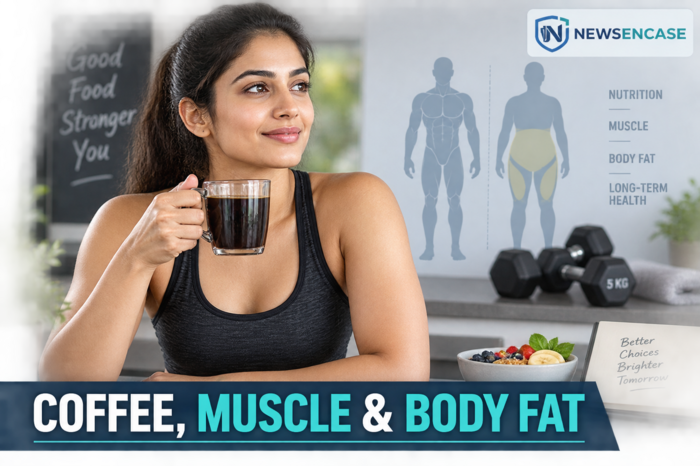
A new study has linked higher coffee consumption with slightly greater skeletal-muscle mass and lower body-fat levels, but researchers caution that the findings do not show coffee directly changes body composition.
The analysis involved more than 2,200 middle-aged Finnish adults. Participants reporting greater coffee intake generally had lower total and visceral fat and more skeletal-muscle mass, even though body mass index was broadly similar between groups. The study also examined hormones and metabolic markers that might help explain the association.
Because the research was cross-sectional, it captured a snapshot rather than following participants through a controlled intervention. Coffee drinkers may differ from non-drinkers in physical activity, diet, occupation, sleep or other habits. Serving size, brewing method and additions such as sugar or cream can also substantially change a drink’s nutritional impact.
Caffeine can temporarily improve alertness and exercise performance in some people. It may also modestly increase energy expenditure and fat oxidation. However, these short-term effects do not turn coffee into a fat-loss treatment, and they cannot replace resistance training, balanced nutrition or adequate sleep.
Plain filtered coffee is generally a lower-calorie option than beverages loaded with syrups, whipped cream or sugar. Sensitivity varies: excessive caffeine can cause anxiety, digestive discomfort, a rapid heartbeat and disrupted sleep. Pregnant people and those with certain medical conditions should seek individual guidance about intake.
For most healthy adults, moderate caffeine consumption is commonly considered acceptable, but timing matters. Drinking coffee late in the day may undermine sleep, which can then interfere with appetite regulation, recovery and training performance.
The study is best viewed as an interesting association that requires controlled trials. Building muscle still depends mainly on progressive resistance exercise and sufficient dietary protein, while fat loss requires a sustainable energy balance. [Review the research record] (https://pubmed.ncbi.nlm.nih.gov/).
About the Author