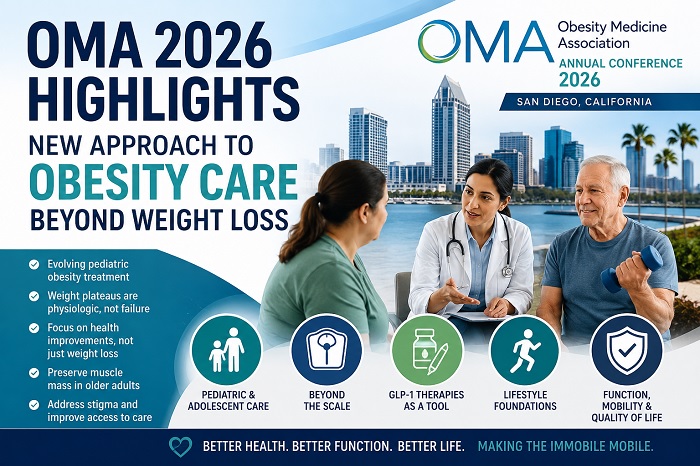
The Obesity Medicine Association (OMA) Annual Conference 2026 in San Diego, California, showcased more than 80 scientific and educational sessions focused on advancing obesity treatment through nutrition, physical activity, pharmacology, and clinical care strategies.
One of the key takeaways from the conference was the growing emphasis on measuring obesity treatment success beyond the number on the scale. Experts highlighted that even modest weight loss of 5–10% can lead to significant health benefits, including improved blood pressure, reduced diabetes risk, better sleep apnea outcomes, and enhanced overall quality of life.
During a special HCPLive discussion, obesity medicine specialists Dr. Raghuveer Vedala and Dr. Shagun Bindlish reviewed emerging trends in obesity management, particularly in pediatric and adolescent populations. While off-label use of tirzepatide is increasing among adolescents, experts noted that long-term pediatric trial data are still awaited. Currently, Wegovy and Saxenda remain the approved obesity medications for patients aged 12 years and older.
The speakers also addressed the common occurrence of weight-loss plateaus, explaining that they are often linked to the body’s natural physiological “set point” rather than treatment failure. Clinicians were encouraged to set realistic expectations and focus on sustainable lifestyle changes instead of restrictive diets that may lead to nutritional deficiencies or unhealthy eating behaviors.
For older adults, preserving muscle mass and physical function emerged as a major priority. Experts recommended regular assessments such as DEXA scans, grip strength testing, gait speed evaluations, and resistance training programs to reduce the risk of sarcopenia while managing obesity.
The conference further emphasized that GLP-1-based medications should complement—not replace—healthy lifestyle habits. Specialists stressed the importance of balanced nutrition, regular physical activity, and fostering a positive relationship with food as essential components of long-term obesity management.
Experts concluded that obesity care should ultimately focus on improving mobility, independence, functional capacity, and overall well-being rather than solely targeting weight reduction. They also highlighted the ongoing challenges of stigma and healthcare access barriers, which can negatively impact treatment outcomes and patient confidence in recovery.
About the Author