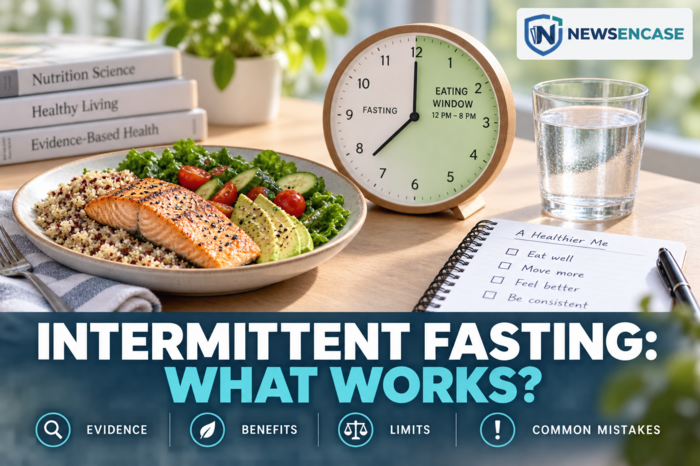
A 2026 Cochrane review found intermittent fasting may offer little advantage over traditional weight-loss advice. Here is what dieters should know.
Intermittent fasting remains one of the most popular weight-loss strategies, but a major evidence review suggests it may not outperform traditional dietary advice.
The approach alternates periods of eating and fasting. Common versions include a daily eight-hour eating window, the 5:2 diet and alternate-day fasting. Supporters often find time-based rules easier than counting calories, while others experience hunger, headaches or difficulty fitting the schedule around family and work.
A 2026 Cochrane review examined 22 trials. Compared with conventional dietary advice, intermittent fasting produced little to no meaningful difference in weight loss or quality of life. The evidence on side effects was uncertain because studies were generally small and reporting was inconsistent.
Fasting can still work for some people if it creates a sustainable energy deficit. However, an eating window does not guarantee diet quality. Consuming excessive calories, sugary drinks and heavily processed food during allowed hours can limit progress.
Protein, vegetables, fruit, whole grains and healthy fats remain important. People who exercise should also consider workout timing, hydration and recovery. Skipping food for long periods and then training intensely may cause poor performance in some individuals.
Intermittent fasting is not suitable for everyone. Pregnant or breastfeeding people, children, individuals with a history of eating disorders and people using glucose-lowering medication should seek professional guidance. Diabetes medicines may require adjustment to avoid hypoglycaemia.
Common mistakes include starting with an extreme schedule, ignoring total intake, drinking too little water and sacrificing sleep. A moderate eating window that fits everyday life is more likely to be maintained than rigid fasting that causes repeated overeating.
The best weight-loss plan is not necessarily the most fashionable. It is the approach that supports adequate nutrition, can be followed safely and produces habits a person can maintain.
About the Author