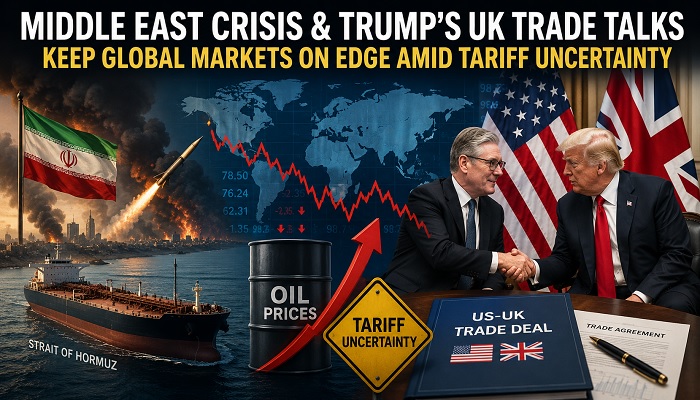
Escalating Middle East tensions and President Donald Trump’s UK trade talks are shaping global diplomacy, with maritime security, tariffs and investment dominating discussions.
Escalating tensions in the Middle East and renewed U.S. trade diplomacy are dominating the international agenda, as governments balance security concerns with efforts to protect global economic stability. The dual challenges of regional instability and evolving trade policies have placed financial markets, energy supplies and international supply chains under increased pressure.
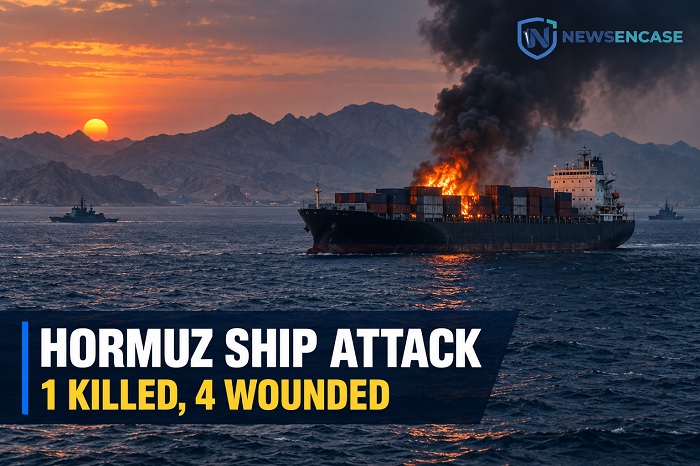
The Middle East remains one of the world’s most closely watched regions following continued military activity, diplomatic engagements and concerns over the security of commercial shipping routes. The Strait of Hormuz, a vital maritime corridor that carries a significant share of the world’s crude oil and liquefied natural gas exports, remains under heightened surveillance amid fears of further disruptions. Several governments have reiterated their commitment to safeguarding international shipping, while diplomatic channels remain active in an effort to prevent a broader regional escalation.
The ongoing uncertainty has had a direct impact on global markets. Energy traders continue to monitor developments closely, with oil prices reacting to reports of military activity and risks to maritime transport. Shipping companies and insurers are also assessing the potential impact of any prolonged disruption to one of the world’s busiest energy corridors, while investors remain cautious ahead of major economic events.
Against this geopolitical backdrop, U.S. President Donald Trump is expected to use his upcoming visit to the United Kingdom to advance a series of high-level trade discussions aimed at strengthening bilateral economic cooperation. The talks are expected to cover tariffs, investment opportunities, supply-chain resilience and broader commercial relations between the two allies. Trade policy has become a central element of the Trump administration’s economic strategy, with Washington recently announcing new tariff measures affecting dozens of economies as part of its efforts to address forced-labour concerns in global supply chains.
The latest tariff announcements have drawn mixed international reactions. While some industries expect fresh opportunities under revised trade arrangements, others have warned that changes in tariff structures could alter competitive dynamics and affect exporters in sectors such as manufacturing, chemicals and textiles. British officials have maintained a diplomatic approach ahead of Trump’s visit, emphasizing continued cooperation while seeking to protect the country’s economic interests.
Analysts believe the combination of geopolitical uncertainty in the Middle East and evolving U.S. trade policy will remain a defining factor for the global economy in the coming weeks. Investors are closely watching diplomatic developments, energy markets and central bank decisions for indications of how prolonged instability or new trade measures could influence inflation, international commerce and economic growth.
With regional security and global trade now increasingly interconnected, world leaders are expected to intensify diplomatic engagement to prevent further escalation while ensuring that international trade routes remain open and global supply chains continue to function efficiently.
About the Author