
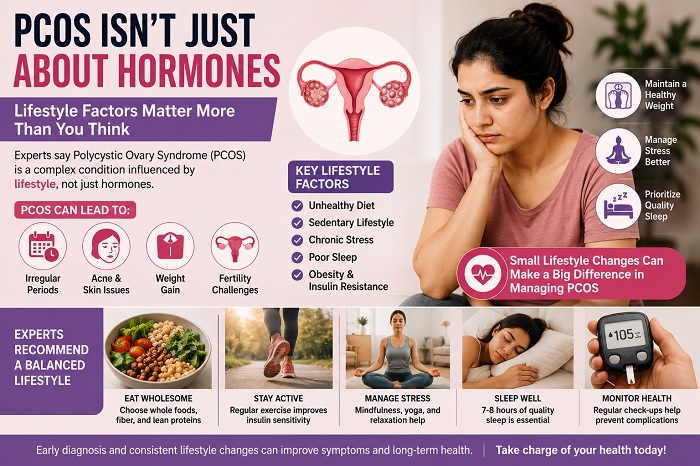
New Delhi: Polycystic Ovary Syndrome (PCOS), one of the most common hormonal disorders affecting women of reproductive age, is influenced by far more than hormonal imbalances alone. Health experts are increasingly emphasizing that lifestyle factors play a critical role in both the development and management of the condition.
According to medical professionals, PCOS is a complex metabolic and endocrine disorder that can affect menstrual cycles, fertility, weight management, skin health, and long-term cardiovascular well-being. While genetics and hormonal changes contribute to the condition, experts say daily lifestyle habits significantly impact its severity and progression.
Specialists highlight poor dietary patterns, sedentary lifestyles, chronic stress, inadequate sleep, and obesity as major contributors that can worsen insulin resistance—a key factor linked to PCOS. Insulin resistance can trigger elevated insulin levels, which may stimulate excess androgen production and aggravate symptoms such as irregular periods, acne, and excessive hair growth.
Healthcare professionals stress that nutrition plays a central role in managing the disorder. Diets rich in whole grains, lean proteins, fruits, vegetables, and healthy fats can help stabilize blood sugar levels and support hormonal balance. Reducing the consumption of ultra-processed foods, sugary beverages, and refined carbohydrates may also improve metabolic health.
Experts further note that regular physical activity remains one of the most effective non-medical interventions for women with PCOS. Exercise can enhance insulin sensitivity, aid weight management, improve cardiovascular health, and contribute to better hormonal regulation.
Sleep quality has also emerged as an important factor. Studies suggest that disrupted sleep patterns and insufficient rest may increase inflammation and insulin resistance, potentially worsening PCOS symptoms. Maintaining a consistent sleep schedule and prioritizing adequate rest are therefore considered essential components of overall management.
Mental health is another area receiving growing attention. Women with PCOS often face higher risks of anxiety, depression, and emotional stress. Healthcare providers recommend stress-management techniques such as mindfulness, yoga, meditation, and counseling to support both psychological and physical well-being.
Medical experts emphasize that there is no one-size-fits-all approach to PCOS treatment. Instead, personalized lifestyle modifications combined with appropriate medical guidance can significantly improve symptoms and reduce the risk of long-term complications, including type 2 diabetes, heart disease, and infertility.
As awareness around women’s health continues to grow, specialists encourage early diagnosis, regular health screenings, and sustainable lifestyle changes as key strategies for managing PCOS and improving quality of life.
About the Author