
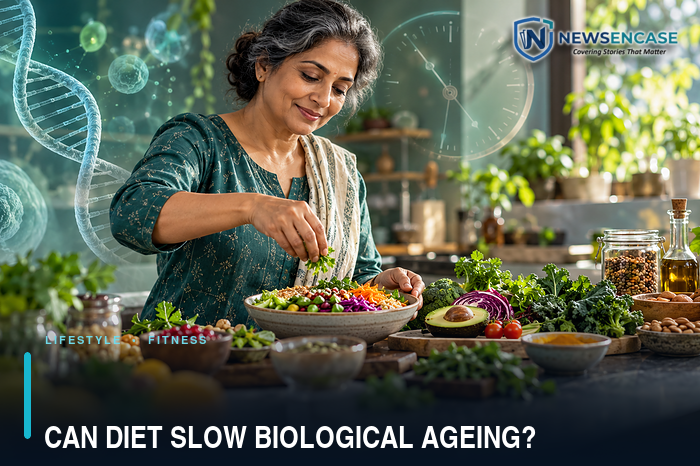
Studies link healthy eating patterns with slower biological ageing, but epigenetic clocks have limits. Here is what the evidence really means.
“Biological age” has become a popular term in longevity discussions. Unlike the number of birthdays a person has had, it attempts to describe changes in cells, organs and physical function. Researchers are studying whether diet can influence these measurements.
Recent studies using epigenetic clocks have linked higher-quality eating patterns with slower biological ageing. Diets rich in vegetables, fruit, whole grains, legumes, nuts and healthy fats generally perform better than patterns dominated by sugary drinks, processed meats and refined snacks.
Epigenetic clocks analyse chemical marks associated with gene regulation. They are promising research tools, but they do not predict an individual’s future with certainty. Different clocks can produce different ages, and scientists are still determining which measurements best reflect meaningful health outcomes.
Diet studies are also complicated by lifestyle. People who eat well may exercise more, have better access to healthcare or smoke less. An association between food and a younger biological-age score is therefore not proof that a specific menu reversed ageing.
The most credible advice remains familiar. Build meals around varied plant foods, include enough protein to preserve muscle and choose unsaturated fats from nuts, seeds, fish or appropriate oils. Limit frequent consumption of heavily processed products high in salt, sugar or saturated fat.
There is little evidence that expensive “anti-ageing” supplements can substitute for these habits. Supplements are most useful when correcting a genuine deficiency or meeting a specific clinical need.
Physical activity may influence ageing through multiple pathways. Strength training protects muscle and bone, aerobic exercise supports the heart and brain, and balance work reduces the risk of falls. Sleep, social connection and management of blood pressure, cholesterol and glucose are equally important.
Readers should be cautious of companies selling biological-age tests as precise personal forecasts. A result can change with the method used and should not drive major medical decisions without professional interpretation.
No diet can stop time. Evidence does suggest, however, that consistent, nutritious eating can reduce the risk factors and functional decline commonly associated with ageing. The goal is not a younger number on an app—it is more years of strength, mobility and good health.
About the Author