
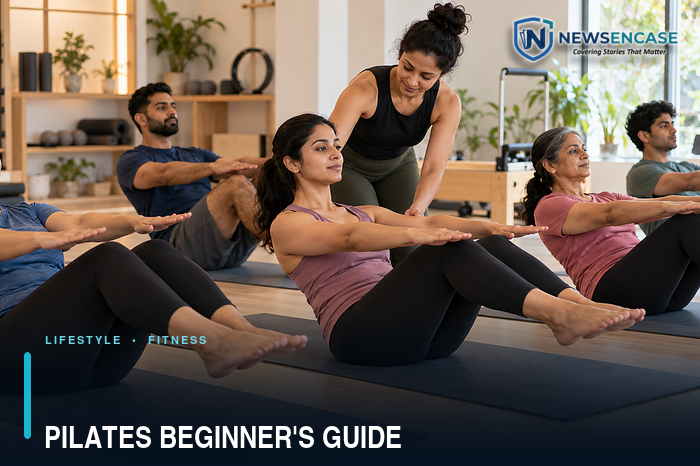
Discover the benefits and limitations of Pilates, common beginner mistakes and how to combine it with cardio and strength training.
Pilates continues to attract people looking for a low-impact workout that develops control, posture and core strength. Classes range from mat-based sessions to workouts using spring-loaded reformer machines, but beginners do not need expensive equipment to start.
The method emphasises precise movement, breathing and control of the trunk. Exercises can strengthen the abdominal, back, hip and pelvic muscles while improving body awareness. For some people, that control makes everyday movement and other forms of training feel more comfortable.
Pilates is adaptable, but it is not automatically easy. Small movements can be demanding when performed slowly and correctly. Beginners often make the mistake of rushing repetitions, holding their breath or forcing the lower back into an uncomfortable position.
A qualified instructor can teach modifications and help participants distinguish muscular effort from joint pain. People with osteoporosis, pregnancy, recent abdominal surgery, disc problems or persistent back pain should seek individual guidance before attempting advanced flexion, twisting or loaded exercises.
Pilates should not be presented as a complete replacement for every type of exercise. Mat sessions may not raise the heart rate enough to meet aerobic activity goals, and some programmes provide limited loading for the legs and bones. Walking, cycling or swimming and progressive resistance training can complement it.
Two or three sessions a week may be realistic for beginners. Early workouts can focus on breathing, pelvic control, bridges, bird-dog variations and gentle leg movements. Quality is more important than completing a large number of repetitions.
Claims that Pilates will “lengthen” muscles or spot-reduce abdominal fat are misleading. It can improve posture and muscle endurance, which may change how the body looks and feels, but fat loss depends on broader energy balance and lifestyle factors.
Comfortable clothing and a non-slip mat are usually enough for a home session. Online videos should come from instructors who explain safety and modifications rather than pushing viewers through advanced choreography.
Pilates is most valuable as one part of a balanced fitness routine. Its focus on control, breathing and movement quality can provide a useful foundation for strength, sport and daily life.
About the Author