Research links UPF-heavy diets with excess energy intake, but experts say food quality and realistic substitutions matter more than fear.
Ultra-processed foods have become a major nutrition debate, but the category is often misunderstood. Processing itself is not automatically harmful: freezing vegetables, cooking beans and pasteurising milk are all forms of processing that can improve convenience or safety.
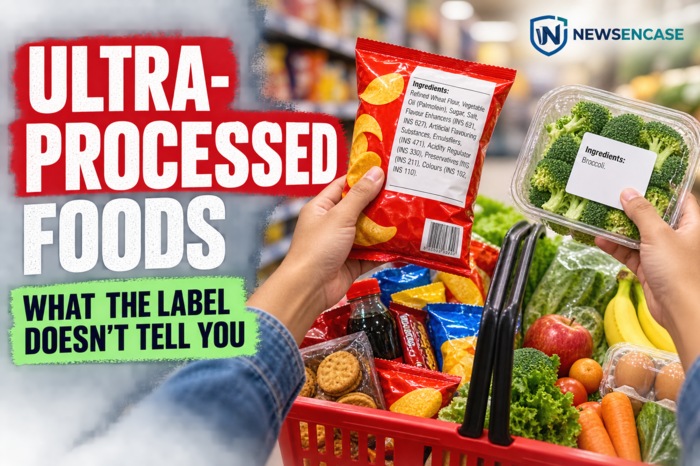
Ultra-processed foods, or UPFs, generally refer to industrial formulations containing ingredients and additives rarely used in a home kitchen. Examples may include sugary drinks, confectionery, packaged snacks and some ready meals.
Why Researchers Are Concerned
Controlled feeding studies have found that diets rich in ultra-processed products can increase energy intake and weight gain. Proposed explanations include high energy density, fast eating rates, soft textures, highly rewarding flavour combinations and disrupted food structures.
Observational research also links high UPF consumption with obesity, type 2 diabetes, cardiovascular disease and premature death. Such studies cannot prove that processing alone causes every outcome, because people’s diets and lifestyles differ in many ways.
Not every product carrying the UPF label has the same nutritional value. Fortified whole-grain cereal, unsweetened plant milk and a sugary soft drink should not be treated as nutritionally identical simply because they may share a classification.
Use Substitution, Not Fear
Completely avoiding packaged food is unrealistic for many households. A more practical approach is to identify the products consumed most often and replace some of them with filling, minimally processed alternatives.
Plain curd, fruit, roasted chana, nuts, boiled eggs and homemade leftovers may replace selected snacks. Shoppers can compare products for added sugar, sodium, saturated fat, fibre and protein rather than relying only on claims such as “natural” or “high protein.”
People should also consider affordability, food safety and preparation time. A convenient frozen vegetable or canned bean can support a healthy meal.
The goal is not dietary perfection. It is to prevent heavily marketed, calorie-dense foods from becoming the foundation of the diet while preserving convenient options that genuinely help people eat well.
About the Author