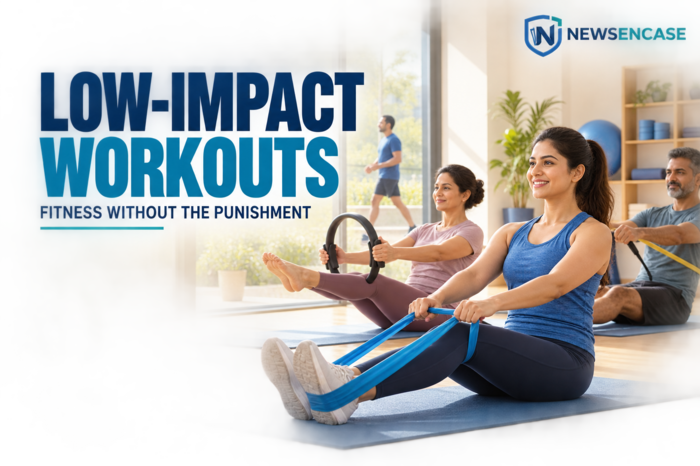
Low-impact workouts such as walking, Pilates and cycling are rising as people seek sustainable exercise with less joint stress.
Walking, mat Pilates, swimming, cycling and low-impact strength sessions are gaining popularity as more people move away from the idea that every effective workout must be exhausting.
Low impact describes movement that places less repetitive force on the joints. It does not necessarily mean low effort. A fast uphill walk, challenging Pilates session or controlled circuit with weights can raise the heart rate and train muscles without jumping or sprinting.
Why People Are Choosing Gentler Exercise
Low-impact routines are accessible to beginners, older adults and people returning after illness or injury. They can also be useful on recovery days for experienced athletes.
Walking requires little equipment, swimming reduces weight-bearing stress and cycling can provide sustained cardiovascular work. Pilates and resistance-band exercises can improve control and muscular endurance when performed with appropriate technique.
The lower physical and psychological barrier may help people exercise more consistently. A moderate session that is repeated several times a week often provides more value than an extreme workout followed by days of soreness or avoidance.
Is Low Impact Enough?
A balanced programme should still challenge the body. If every session remains very easy, improvements in cardiovascular fitness, strength and bone health may eventually slow.
Adults can combine brisk walking or cycling with two weekly strength sessions. Those who enjoy Pilates or yoga can retain them while gradually adding resistance through weights, bands or harder bodyweight variations.
Bone-strengthening impact may also be important for suitable individuals. However, jumping is not appropriate for everyone, particularly people with osteoporosis, pain, balance problems or recent injury.
Workout intensity should be adjusted to current ability rather than online trends. Persistent pain, chest discomfort, dizziness or unusual breathlessness requires medical attention. Low-impact exercise is not a lesser form of fitness; when progressively challenging and performed regularly, it can become the foundation of a sustainable routine.
About the Author